02 July 2025
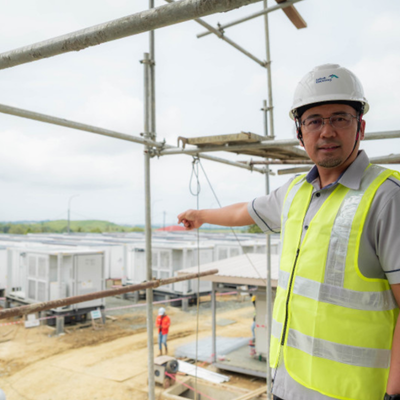
THE Battery Energy Storage System (BESS), capable of delivering up to 100MW of power, is now connected to the Sabah power grid.
Touted as the largest battery storage system in Southeast Asia, the BESS has officially begun operations (no idea when) Sabah Electricity Sdn Bhd (SESB) expects it will enhance power reliability on Sabah’s east coast. The system can store up to 400 megawatt-hours of energy and deliver 100 megawatts (MW) of power when fully charged.
Currently, it is contributing 50MW in reserve capacity during peak hours and is expected to reach full output by early August. SESB chief executive officer Datuk Ir. Ts. Mohd Yaakob Jaafar said the battery’s integration will help address power disruptions in eastern Sabah. “With this battery, we can now better guarantee supply, especially for consumers in the east coast where electricity shortages have been more noticeable,” he said during a site visit on Monday. The facility, located strategically along Jalan Dam in Lahad Datu, is expected to play a key role in stabilising the Sabah Grid while also supporting the state’s renewable energy goals.
“This project improves grid stability, contributes to environmental sustainability, and boosts the capacity to absorb renewable energy,” he added. Yaakob said SESB had delivered the project on schedule, with support from the Energy Commission of Sabah (ECoS) and the state government. He said the project is part of broader national efforts to reduce carbon emissions and accelerate clean energy adoption.
Sabah’s east coast has long suffered from frequent power interruptions due to limited generation capacity and an ageing transmission system. The state’s current reserve margin stands at approximately 12.4%, well below the ideal benchmark of 30%. The BESS is expected to help Sabah reach a 20% reserve margin by July, with a further increase to 25% by the third quarter of 2025. These targets are part of the Sabah Energy Roadmap and Master Plan 2040 (SE-RAMP 2040), a long-term strategy developed by ECoS to ensure energy security, cleaner power sources, and rural electrification across the state.
The BESS project carries a total estimated cost of RM645 million, making it one of the most significant energy infrastructure investments in Sabah to date. A large portion—RM408.2 million—is financed through a facility from AmBank to MSR Green Energy Sdn Bhd, the project’s delivery partner. The remaining cost is covered through a combination of equity and other funding sources. The battery facility is also designed to integrate with future renewable sources such as solar and hydropower, allowing the grid to store excess energy during low demand periods and release it during peak usage. - July 2, 2025